
The Ultimate Guide to Crafting the Perfect Gourmet Banana Split
The banana split is a classic American dessert that has transcended generations. Originating in the early 20th century, this iconic treat traditionally combines a split banana, scoops of vanilla, chocolate, and strawberry ice cream, and an array of sweet toppings like hot fudge, pineapple chunks, strawberry sauce, whipped cream, chopped nuts, and a maraschino cherry.
However, modern culinary trends have elevated this nostalgic fountain favorite into a canvas for creative, gourmet experimentation. From artisanal ice cream flavors to handcrafted sauces and intricate plating styles, the possibilities for reinventing the banana split are endless.
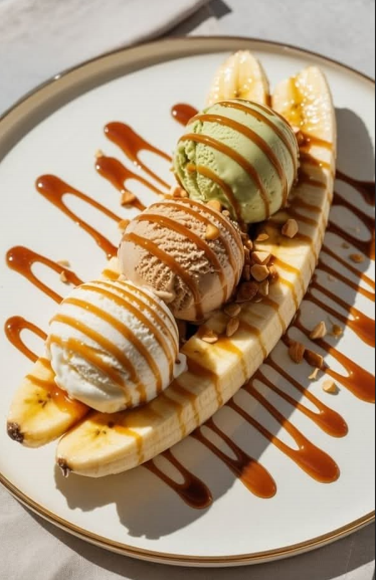
In this comprehensive guide, we will explore the fascinating history of the banana split, break down the anatomy of a truly spectacular version, and provide a masterclass in assembling an elegant presentation inspired by the gourmet aesthetic found in modern pastry arts—similar to the stunning presentation seen in the image Screenshot 2026-06-07 042540.jpg.
A Brief History of the Banana Split
Before diving into the mechanics of making a premium banana split, it is essential to appreciate its rich historical roots. The invention of the banana split is a subject of friendly historical debate between two American towns.
The Latrobe, Pennsylvania Claim (1904)
The most widely accepted origin story credits David Evans Strickler, a 23-year-old apprentice pharmacist at Tassell Pharmacy in Latrobe, Pennsylvania. In 1904, Strickler loved experimenting with new soda fountain creations. He decided to split a banana lengthwise, place it in a long glass dish (often called a “boat”), and top it with three scoops of distinct ice cream flavors, syrups, marshmallow cream, nuts, and cherries. The treat cost 10 cents, double the price of a standard sundae at the time, but it quickly became a massive hit among students from nearby Saint Vincent College.
The Wilmington, Ohio Claim (1907)
A competing claim comes from Wilmington, Ohio, where restaurant owner Ernest Hazard claimed to have invented the dessert in 1907. Looking for a way to attract students from Wilmington College during the slow winter months, Hazard challenged his employees to come up with a brand-new dessert. When none of them met his standards, he split a banana himself, tossed in some ice cream, and created his own version.
Regardless of who truly served the very first one, by the 1910s and 1920s, the banana split had become a staple of soda fountains and Walgreens pharmacy counters across the United States, cementing its place in global dessert culture.
Anatomy of a Contemporary Banana Split
While the classic trio of vanilla, chocolate, and strawberry remains deeply comforting, a contemporary or gourmet interpretation allows for flavor profiles that are sophisticated, balanced, and visually spectacular.
Instead of overwhelming the palate with intense sweetness, a gourmet banana split balances sugar with salt, creaminess with acidity, and soft textures with deliberate crunch. Let’s analyze the components that make up a refined iteration, reflecting the elegant, structured approach shown
1. The Banana
The foundation of the dish must be chosen carefully.
- Ripeness: Avoid overly ripe bananas with heavy brown spotting, as they are too soft and can become mushy under the weight of the ice cream. Look for a banana that is perfectly yellow with firm flesh and just a hint of green at the stem.
- Preparation: The banana is traditionally split lengthwise. In high-end presentations, it can be served raw, lightly chilled, or even caramelized with a blowtorch and a dusting of sugar to create a brittle, crème brûlée-style crust.
2. The Ice Cream Selection
Moving away from standard grocery store tubs, artisan ice creams feature lower overrun (less incorporated air) and higher butterfat, yielding a dense, velvety mouthfeel. Instead of the classic Neapolitan trio, modern variations look beautiful and taste incredible when curated with complementary color palettes and sophisticated flavors.
As an example of an elevated flavor pairing profile, consider the trio showcased in
- Classic Vanilla Bean: Offering a clean, creamy base note with visible specks of real vanilla orchid pods.
- Roasted Hazelnut or Light Coffee: Providing a warm, nutty, and slightly bitter middle profile that bridges the sweetness of the fruit and the sauces.
- Matcha Green Tea or Pistachio: Introducing a vibrant, earthy element that cuts through the rich dairy fats and adds a gorgeous contrast in color.
3. The Caramel Drizzle
Instead of a heavy, artificial chocolate syrup that masks all other flavors, a refined caramel sauce adds warmth and depth.
- Salted Caramel: Utilizing a deep amber caramel infused with sea salt (such as Fleur de Sel) balances the natural sugars of the banana.
- Plating Technique: Rather than smothering the ice cream entirely, a clean, cross-hatched, or zigzag pattern drizzled over both the ice cream scoops and the plate creates a striking geometric visual harmony.
4. The Textural Crunch (The Nuts)
Nuts are not just an afterthought; they provide a crucial contrast to the soft ice cream and banana.
- Chopped Roasted Almonds, Hazelnuts, or Macadamias: Toasting the nuts is non-negotiable. Toasting releases essential oils, amplifying their flavor and ensuring they stay crisp when in contact with melting ice cream.
- Placement: Scattering them neatly along the center line or around the base adds architectural dimension to the plate.
Step-by-Step Gourmet Assembly Masterclass
Creating an artisanal dessert requires attention to detail, temperature control, and a clean workspace. Follow these steps to replicate a professional kitchen presentation.
Ingredients and Tools Needed
- 1 firm, perfectly ripe banana
- 3 premium scoops of artisanal ice cream (e.g., Vanilla Bean, Coffee/Hazelnut, and Matcha/Pistachio)
- 4 tablespoons of high-quality warm salted caramel sauce
- 2 tablespoons of finely chopped, dry-roasted almonds or hazelnuts
- A chilled, wide, minimalist ceramic plate or a traditional glass banana boat
- A sharp utility knife
- A professional ice cream scoop
Step 1: Prep the Plate and Tools
Before you begin handling the ice cream, place your serving plate in the freezer for 5 to 10 minutes. A chilled plate prevents the ice cream from melting instantly upon contact, giving you more time to perfect your presentation and allowing whoever is eating it to savor the dessert without it turning into a soup.
Step 2: Prepare the Banana
Take your firm yellow banana and cut off the very tips of both ends for a clean look. Cut the banana in half lengthwise from stem to tip. Gently peel away the skin. Place the two halves parallel to each other in the center of your chilled plate, leaving a small gap between them where the ice cream scoops will rest securely.
Step 3: Scoop with Precision
To get perfectly round, smooth scoops of ice cream like those pictured in dip your ice cream scoop into a container of warm water and shake off the excess moisture before diving into the ice cream. Drag the scoop in a circular motion across the surface of the ice cream rather than digging straight down.
Place the first scoop (Vanilla Bean) at one end of the banana split. Place the second scoop (the neutral brown tone, like Coffee or Hazelnut) in the center. Place the third scoop (the vibrant green tone, like Matcha or Pistachio) at the opposite end.
Step 4: The Art of the Drizzle
Load your caramel sauce into a squeeze bottle or use a spoon held slightly above the plate. Moving your hand back and forth in a fluid, continuous motion, apply clean, diagonal lines of caramel across the entire dessert. Ensure the drizzle covers the ice cream scoops, coats the banana halves, and pools elegantly onto the white space of the plate around the fruit.
Step 5: Garnish and Serve
Carefully sprinkle your finely chopped, toasted nuts over the central ridge of the dessert. Focus the nuts primarily around the valleys between the ice cream scoops and over the tops to add structure. Clean any accidental drops or smudges on the rim of the plate with a damp paper towel. Serve immediately with a long-handled spoon.
Flavor Evolution: Creative Variations to Try
Once you master the clean, elegant presentation style, you can experiment with different flavor families to suit diverse palates. Here are three curated flavor profiles to expand your dessert repertoire:
| Theme | Ice Cream Flavors | Sauce Choice | Nut / Crunch Component |
| The Tropical Escape | Mango Sorbet, Coconut Cream, Passionfruit Ice Cream | White Chocolate Drizzle | Toasted Macadamia Nuts & Shaved Coconut |
| The Decadent Orchard | Dark Chocolate, Salted Caramel, Espresso Bean | Bittersweet Dark Chocolate Fudge | Smoked Praline Pecans |
| The Berry Elegant | Strawberry-Basil, Vanilla Bean, Goat Cheese & Honey | Fresh Raspberry Coulis | Crushed Amaretti Cookies or Pistachios |
The Role of Visual Presentation
In modern gastronomy, we eat with our eyes first. The reason why presentations like the one in are so appealing is due to contrast and symmetry. The bright yellow of the banana acts as a frame, the varied colors of the three scoops draw the eye down the line, and the precise lines of the caramel drizzle create a sense of movement and energy across the plate. Keeping the presentation “clean”—free from excessive whipped cream or artificial neon toppings—allows the natural beauty of the ingredients to stand out.