
The Ultimate Guide to Mastering Pan-Seared White Fish with Garlic Butter Lemon Sauce
Seafood provides some of the most nutritious, versatile, and elegant proteins available to home cooks. Among the various categories of seafood, white-fleshed fish is celebrated for its mild flavor, tender texture, and incredible ability to absorb vibrant seasonings and sauces. Whether you are working with cod, halibut, sea bass, tilapia, or snapper, mastering the art of the perfect pan-seared white fish is a foundational culinary skill that transforms an ordinary weeknight dinner into a restaurant-quality experience.
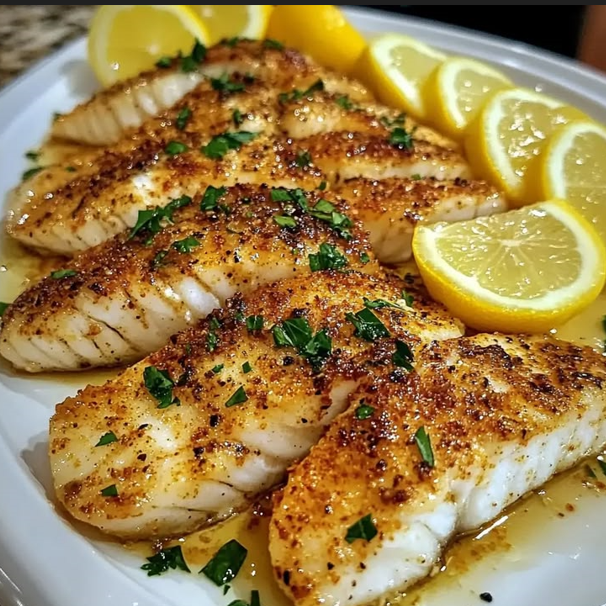
As demonstrated beautifully in the user-provided image Screenshot 2026-06-07 044336.jpg, perfectly cooked white fish features a beautifully golden-brown, caramelized exterior crust while maintaining a flaky, moist, and tender interior. Garnished with fresh herbs and bathed in a shimmering, savory citrus sauce, this dish represents the pinnacle of simple yet sophisticated cooking.
This comprehensive guide covers everything you need to know to replicate this flawless result at home. We will dive deep into the science of pan-searing, explore the diverse world of white fish varieties, break down essential kitchen equipment, provide an exhaustive step-by-step master recipe, offer regional and flavor variations, and troubleshoot common pitfalls.
Understanding White Fish: Varieties and Selection
Before lighting your stove, it is crucial to understand the ingredient at the center of your plate. “White fish” is a broad culinary term rather than a biological classification. It generally refers to any light-colored, mild-flavored, low-fat fish that flakes beautifully when cooked.
Major Varieties of White Fish
Different species of white fish possess distinct textural profiles and moisture contents. Understanding these differences allows you to adjust your cooking times and techniques accordingly.
- Cod (Atlantic and Pacific): Perhaps the most famous white fish, cod features large, thick flakes and a exceptionally mild, sweet flavor profile. Atlantic cod tends to be slightly firmer and sweeter than Pacific cod. Because of its high moisture content, achieving a dry surface before searing is vital.
- Halibut: A premium flatfish known for its dense, meaty texture. Halibut behaves almost like a steak on the grill or pan, making it highly forgiving during the searing process. It holds its shape remarkably well.
- Sea Bass (Chilean, European/Loup de Mer): Chilean sea bass is incredibly rich, buttery, and oily, which keeps it exceptionally moist even under high heat. European sea bass (branzino) is leaner but offers a delicate, sublime flavor.
- Tilapia: An affordable, widely available, and exceptionally mild fish. Tilapia fillets are relatively thin, meaning they cook incredibly fast. Extra care must be taken not to overcook them.
- Red Snapper: Featuring a slightly firmer texture and a distinctively sweet, nut-like flavor flavor, snapper often comes with its beautiful red skin intact. Searing the skin to a shattering crispness adds an incredible textural contrast.
- Haddock: Closely related to cod, haddock has a slightly finer flake and a bit more flavor flavor. It is an excellent choice for pan-searing when sliced into uniform portions.
How to Select the Freshest Fish
The success of a minimalist dish like pan-seared fish relies heavily on the quality of the raw ingredient. Use your senses to evaluate freshness at the fish market or grocery counter:
- Aroma: Fresh fish should never smell “fishy.” It should have a clean, neutral, or mildly briny scent reminiscent of the ocean.
- Appearance: The flesh should look translucent, bright, and moist, but never slimy or dull. Avoid fillets with brownish edges or pooling liquid in the packaging display.
- Texture: If you are buying whole fish or thick steaks, press the flesh gently. It should feel firm and spring back immediately. If a fingerprint indentation remains, the fish is aging.
The Science of Pan-Searing: Achieving the Perfect Crust
The breathtaking golden-brown crust displayed on the fish in Screenshot 2026-06-07 044336.jpg is not an accident; it is the result of chemical reactions governed by heat, moisture control, and surface contact.
The Maillard Reaction
The primary goal of searing is to trigger the Maillard reaction—a chemical reaction between amino acids and reducing sugars that occurs when food is subjected to high heat. This reaction creates hundreds of new flavor compounds and gives seared food its characteristic deep, savory complexity and appealing golden color.
However, the Maillard reaction cannot occur effectively in the presence of excess moisture. Water boils at 100°C (212°F), whereas the Maillard reaction requires temperatures between 140°C and 165°C (284°F to 330°F). If your fish fillet is wet when it hits the pan, the surface heat will be entirely consumed by evaporating that surface water. Instead of searing, your fish will steam, resulting in a rubbery, pale exterior devoid of depth.
Moisture Removal: The Ultimate Rule
To guarantee a perfect crust, you must aggressively dry the exterior of the fish.
- Remove the fillets from their packaging and pat them thoroughly with heavy-duty paper towels on all sides.
- For an even better crust, place the patted-dry fillets on a wire rack set inside a baking sheet and leave them uncovered in the refrigerator for 30 to 60 minutes. The dry, circulating air of the refrigerator will wick away remaining surface moisture, leaving a pristine canvas for searing.
Thermal Capacity and Skillet Selection
Your choice of cookware determines how efficiently heat is transferred to the fish. When a cold or room-temperature piece of fish enters a hot pan, it instantly lowers the pan’s temperature. If the pan loses too much heat, searing ceases and the fish begins to juices out and stew.
- Cast Iron Skillets: Possess exceptional heat retention. Once heated, they stay hot, ensuring an uninterrupted sear when the fish is added.
- Stainless Steel Skillets: Excellent for heat conductivity and responsiveness. They allow you to easily monitor the color of the pan juices and residues (fond), which form the base of your pan sauce.
- Carbon Steel Skillets: Combine the lightweight responsiveness of stainless steel with the seasoned non-stick properties of cast iron.
- Non-Stick Pans: While convenient and highly effective for delicate, skinless fillets to prevent tearing, high-quality non-stick pans often fail to produce the same deeply caramelized, complex crust as cast iron or stainless steel because they cannot safely tolerate ultra-high searing temperatures.
Essential Kitchen Tool Kit
Before beginning, gather the following essential tools to ensure a smooth, stress-free cooking process:
| Tool Name | Purpose / Function |
|---|---|
| Heavy Skillet | Cast iron, carbon steel, or 3-ply stainless steel for superior heat distribution. |
| Fish Spatula | A long, flexible, slotted offset metal spatula designed to slide effortlessly under delicate fillets without breaking them. |
| Paper Towels | For thoroughly drying the fish surfaces to ensure a clean Maillard reaction. |
| Instant-Read Digital Thermometer | The absolute safest way to test internal doneness without cutting into and ruining the fish structure. |
| Spoon | A large dinner spoon used for basting the fish with foaming butter during the final stages of cooking. |
The Master Recipe: Pan-Seared White Fish with Garlic Butter Lemon Sauce
This foundational recipe yields a dish identical in style to the gorgeous presentation in Screenshot 2026-06-07 044336.jpg. It yields 4 portions and takes approximately 20 minutes from start to finish.
Ingredients
For the Fish:
- 4 thick white fish fillets (approx. 150-180g each), such as cod, halibut, or sea bass
- 1.5 tablespoons high-smoke-point oil (avocado oil, canola oil, or refined grapeseed oil)
- 1 teaspoon sweet paprika (for color and mild smokiness)
- 0.5 teaspoon garlic powder
- 0.5 teaspoon onion powder
- Sea salt and freshly cracked black pepper, to taste
For the Garlic Butter Lemon Sauce:
- 3 tablespoons unsalted butter, divided into cubes
- 3 cloves garlic, finely minced
- Juice of 1 large lemon (approx. 3 tablespoons)
- 1 lemon, thinly sliced into rounds (for presentation and serving)
- 2 tablespoons fresh Italian flat-leaf parsley, finely chopped
Step-by-Step Culinary Instructions
Step 1: Prep and Dry the Fish
Remove your white fish fillets from the refrigerator approximately 15 to 20 minutes before cooking. Bringing the fish closer to room temperature prevents the pan’s temperature from dropping drastically and ensures even cooking through to the center. Thoroughly pat every square inch of the fish dry using paper towels.
Step 2: Season Generously
In a small bowl, mix together the sweet paprika, garlic powder, onion powder, sea salt, and black pepper. Sprinkle this seasoning blend evenly over both sides of the dry fillets. Gently press the spices onto the flesh with your fingers so they adhere firmly. The paprika not only adds a delicate warmth but also aids significantly in achieving that rich, deep golden-orange hue seen in Screenshot 2026-06-07 044336.jpg.
Step 3: Heat the Pan
Place your heavy skillet over medium-high heat. Add the high-smoke-point oil and swirl it around to completely coat the bottom of the pan. Allow the pan to heat thoroughly until the oil begins to shimmer and faint wisps of smoke just start to rise.
Step 4: The Sear
Carefully lay the seasoned fillets into the hot oil, laying them away from you to prevent any hot oil from splashing toward your skin. If cooking multiple fillets, ensure there is at least an inch of space between them; do not crowd the pan.
Once the fish hits the pan, do not touch it, move it, or poke it for at least 3 to 4 minutes. As the proteins sear, they will naturally release from the pan surface. If you try to flip the fish too early, it will stick and tear. Watch the side profile of the fillet: you will see the opaque, cooked color gradually creeping up from the bottom of the pan toward the center of the fish.
Step 5: Flip with Care
Once the bottom edge looks beautifully caramelized and a golden crust has formed, slide your flexible fish spatula completely underneath the fillet and gently flip it over.
Step 6: Create the Butter Pan Sauce (The Arrosé Technique)
Turn the heat down to medium-low. Immediately drop the cubes of unsalted butter and the minced garlic into the open spaces of the skillet. As the butter melts, it will combine with the fish juices, spices, and garlic, beginning to foam and turn golden.
Tilt the skillet slightly toward you and use a large spoon to continuously scoop up the foaming garlic butter and pour it over the top of the seared fish fillets. This French culinary technique, known as arrosé, gently cooks the upper layers of the fish with ambient heat, infusing the flesh deeply with the rich flavors of garlic and butter while keeping it incredibly succulent. Continue this process for 2 to 3 minutes.
Step 7: Finish with Citrus and Herbs
Squeeze the fresh lemon juice directly into the pan juices around the fish. The acid will instantly emulsify with the melted butter, creating a cohesive, velvety sauce. Toss in the thin lemon slices to warm them through. Turn off the heat entirely.
Step 8: Garnish and Serve
Garnish the top of the fish generously with the finely chopped fresh parsley. Transfer the fillets to a warm serving platter, spoon the glossy garlic butter sauce over the top, and arrange the warm lemon slices alongside, exactly as presented in Screenshot 2026-06-07 044336.jpg. Serve immediately.
Determining Internal Doneness Safely
Overcooking is the most common error when preparing white fish. Because white fish varieties are inherently low in fat, they dry out quickly once they exceed their optimal internal temperature.
Using an instant-read digital thermometer inserted into the thickest part of the fillet is the safest approach.
- 125°F to 130°F (52°C to 54°C): Medium-Rare to Medium. Ideal for thick, premium cuts like Halibut and Sea Bass. The flesh is translucent at the very center, exceptionally juicy, and tender.
- 130°F to 135°F (54°C to 57°C): Medium. Ideal for Cod, Haddock, and Snapper. The fish becomes completely opaque throughout and flakes easily with a fork under light pressure.
- Above 140°F (60°C): Overcooked. The proteins tightly constrict, squeezing out moisture. The fish becomes chalky, dry, and crumbles into small, dry fragments rather than elegant flakes.
Chef’s Note on Carryover Cooking: Remember that food continues to cook for a few minutes after being removed from the heat source due to residual energy. Remove your fish from the skillet when it reads roughly 2 to 3 degrees below your target temperature.
Flavor Extensions and Regional Variations
Once you have mastered the foundational technique outlined above, you can alter the flavor profile to suit different cuisines by making minor adjustments to the seasoning and sauce components.
1. Mediterranean Mediterranean Style
Replace the butter with a high-quality extra virgin olive oil. Along with the garlic and lemon juice, add halved cherry tomatoes, kalamata olives, capers, and a pinch of dried oregano to the pan during the final two minutes of cooking. The tomatoes will blister and release their sweet juices, forming a bright, rustic sauce.
2. Blackened Acadian Style
Incorporate a robust Cajun or Creole spice rub consisting of cayenne pepper, smoked paprika, thyme, oregano, onion powder, and white pepper. Sear the fish in a smoking-hot cast-iron skillet to intentionally char the spices into a dark, highly aromatic crust. Balance the intense heat with a simple squeeze of fresh lime juice at the end.
3. French Meunière Style
A classic preparation where the fish is lightly dredged in all-purpose flour before searing. The flour creates a delicate, velvet-like exterior. The pan sauce is made by cooking butter until the milk solids turn a nutty brown color (beurre noisette), then finishing with lemon juice and a large handful of fresh parsley.
4. Asian Aromatics Style
Omit the butter and paprika. Sear the fish in refined peanut or sesame oil. In the final stage, add matchsticks of fresh ginger, thin slivers of garlic, and sliced scallions to the pan. Deghlaze the skillet with a splash of Chinese cooking wine (Shaoxing) and a drizzle of premium light soy sauce.
Troubleshooting Common Searing Mistake
Even experienced cooks encounter minor setbacks when preparing fish. Here is how to identify, resolve, and prevent common problems:
The Fish Sticks to the Pan
- The Cause: Either the pan was not hot enough when the fish was added, the fish had too much surface moisture, or you attempted to flip it prematurely.
- The Fix: If the fish resists when you try to slide your spatula under it, stop. Leave it alone for another 30 to 60 seconds. As the crust forms and caramelizes fully, it will naturally release itself from the metal. Next time, allow your oil to heat until shimmering before adding the food.
The Exterior is Burning, but the Inside is Raw
- The Cause: Your stove heat is set too high. The surface is caramelizing and burning before the thermal energy can conduct into the thick center of the fillet.
- The Fix: Lower your heat to medium. For exceptionally thick fillets (greater than 1.5 inches), sear both sides to establish a nice crust, then transfer the entire oven-safe skillet into a preheated oven at 375°F (190°C) for 4 to 5 minutes to finish cooking the center gently.
The Fish Breaks Apart Into Fragments
- The Cause: You are using an incorrect utensil, turning the fish too many times, or the fish is severely overcooked.
- The Fix: Only flip your white fish once during the entire cooking process. Ensure you are using a dedicated, flexible metal fish spatula rather than a thick, blunt plastic turner. A proper fish spatula can slide cleanly beneath the delicate protein chains without rupturing them.
Nutritional Profiles of White Fish
Incorporating pan-seared white fish into your routine offers exceptional health benefits. White fish stands out as an incredibly efficient source of lean protein.
- Low Calorie Density: A standard 150g portion of white fish typically contains fewer than 150 calories while providing 20 to 25 grams of complete protein, making it fantastic for muscle repair and weight management.
- Heart Health: While not as rich in fats as salmon or mackerel, white fish still provides essential Omega-3 fatty acids, which contribute to cardiovascular health and lower systemic inflammation.
- Micronutrients: It serves as an excellent dietary source of Vitamin B12 (critical for neurological function), Selenium (a powerful antioxidant), and Phosphorus (essential for bone density).
Perfect Side Dish Pairings
To transform your pan-seared fish into a complete, balanced meal, pair it with side dishes that complement its delicate texture and cut through the rich garlic butter sauce.
Vegetable Pairings
- Roasted Asparagus Spears: Tossed in olive oil and sea salt, the earthy, crisp-tender spears provide a beautiful color contrast and textural snap.
- Sautéed Haricots Verts (French Green Beans): Blanched and lightly tossed with shallots and toasted almonds.
- Blistered Broccolini: The charred florets soak up any extra garlic butter sauce left on the plate perfectly.
Starch Pairings
- Garlic Herb Rice Pilaf: Fluffy, long-grain rice cooked in vegetable stock provides a light, savory base that doesn’t overwhelm the fish.
- Creamy Parmesan Polenta: The smooth, rich texture of polenta offers a comforting contrast to the crispy seared crust of the fish.
- Crushed Roasted Baby Potatoes: Crispy-skinned baby potatoes, lightly smashed and roasted, are ideal for wiping up the remaining lemon-butter emulsion.
By mastering these simple scientific principles of moisture control, heat management, and the classic French technique of basting, you can consistently recreate the magnificent culinary results showcased in ight in your own kitchen. Let this guide serve as your foundation for exploring the endless, delicious world of seafood cookery.