
The Ultimate Modern Brunch Guide: Gourmet Toasts, Tropical Fruits, and Artisanal Coffee
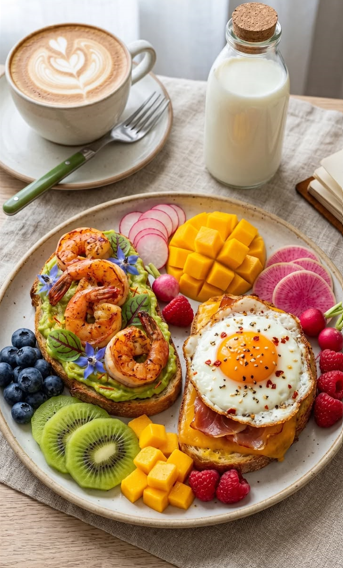
The definition of a perfect morning meal has evolved beyond the classic heavy platter into a vibrant, nutrient-dense celebration of color and freshness. A premium modern brunch balances savory, high-protein proteins with tropical sweetness, crisp textures, and expertly brewed coffee, exactly like the stunning spread featured .
This comprehensive, encyclopedic guide will break down every single component of this artisanal meal. We will cover the culinary science, precise techniques, historical backgrounds, nutritional profiles, and organization methods needed to recreate this restaurant-level experience right in your own kitchen.
Part 1: The Anatomy of the Modern Brunch Platter
Unlike traditional breakfasts that lean heavily on uniform textures and rich fats, the modern gourmet brunch plate relies on a dynamic interplay of color psychology, micro-nutrients, and complex flavor structuring.
Flavor Harmony
This platter targets every sensory zone of the palate simultaneously:
- Savory & Umami: Found in the perfectly seared, seasoned shrimp, the crispy prosciutto or bacon layer, and the rich, melted cheddar cheese base.
- Creamy Richness: Provided by the whipped or mashed avocado and the perfectly runny egg yolk.
- Tangy & Acidic: Delivered by the fresh kiwi slices, pickled or raw radishes, and fresh raspberries, which slice through the rich fats.
- Tropical Sweetness: Anchored by the cubed mango and fresh milk, offering a clean, refreshing finish.
Aesthetic and Visual Plating
We eat with our eyes first. The visual layout in Screenshot 2026-06-07 040429.jpg follows specific plating guidelines used by high-end brunch cafes:
- Color Separation: Vibrant greens (avocado, kiwi) sit opposite deep reds and pinks (radishes, raspberries), creating an appealing contrast.
- Geometric Variety: Food is cut into distinct shapes—sliced rounds (kiwi, radishes), precise cubes (mango), and organic forms (shrimp, sunny-side-up egg).
- Garnishing: The use of delicate edible micro-greens and blue starflowers transforms a simple piece of toast into a visual masterpiece.
Part 2: Masterclass in Artisanal Gourmet Toasts
Toasts form the structural and culinary foundation of this meal. Instead of basic sandwich bread, this spread utilizes thick, sturdy sourdough or artisanal loaves capable of carrying heavy, moisture-rich toppings.
Toast 1: The Seafood & Avocado Open-Faced Tartine
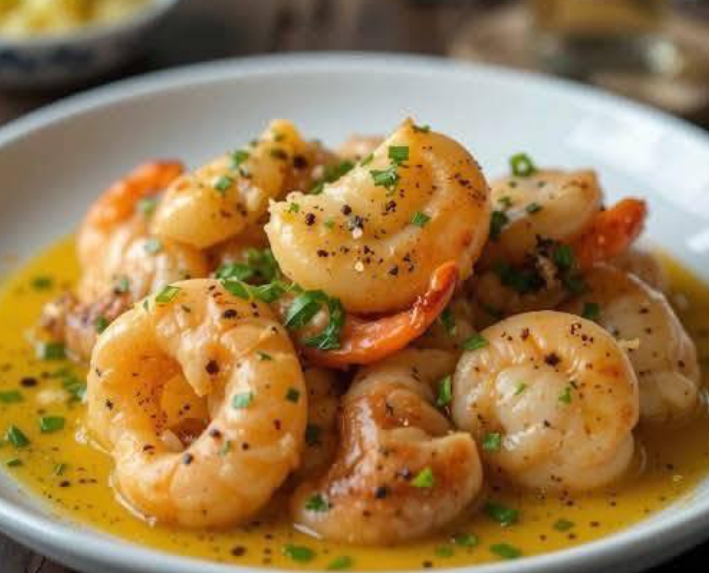
The left side of the platter in showcases a beautiful, elevated take on avocado toast, topped with perfectly curled, seared shrimp.
The Chemistry of Perfect Avocado Mash
An excellent avocado base should be vibrant green, creamy, yet textured.
- Oxidation Control: When avocados are cut, an enzyme called polyphenol oxidase reacts with oxygen, turning the flesh brown. To halt this reaction completely, add fresh lime or lemon juice immediately. The low pH deactivates the enzyme, preserving the bright green hue.
- Texture: Avoid using a blender, which turns the avocado into a baby-food-like puree. Use a fork or a potato masher to leave small, buttery chunks for a superior mouthfeel.
Garlic-Herb Seared Shrimp Technique
To replicate the perfectly caramelized shrimp from the visual reference, follow these steps:
- Prep: Use large, peeled, and deveined shrimp. Pat them completely dry with a paper towel. Residual surface moisture creates steam, which prevents a beautiful golden crust from forming.
- The Sear: Heat a cast-iron skillet over high heat with a mix of olive oil and a small pat of butter. Season the shrimp with sea salt, cracked black pepper, garlic powder, and a pinch of red chili flakes.
- Timing: Drop the shrimp into the hot pan. Cook for exactly 90 seconds per side. They will curl into a tight “C” shape and turn opaque with charred pink edges. Do not overcook, or they will become rubbery.
Toast 2: The Ultimate Croque-Madame Inspired Egg & Cheese Toast
The right side of the platter features a decadent layered toast topped with a pristine sunny-side-up egg.
Building the Layers
- The Base: A thick slice of toasted bread, lightly brushed with olive oil or butter.
- The Cheese: A generous layer of sharp cheddar or Gruyère cheese, melted under a broiler until bubbling and golden-brown around the edges.
- The Meat: Crispy, thin-sliced prosciutto, pancetta, or artisanal bacon laid over the melted cheese.
- The Crown: A flawless sunny-side-up egg, seasoned with black sesame seeds, sea salt, and red pepper flakes.
Securing the Perfect Sunny-Side-Up Egg
Achieving a completely set, opaque white along with a warm, liquid yolk requires a low-and-slow approach:
- Melt butter in a non-stick skillet over medium-low heat.
- Crack the egg gently into the pan.
- The Lid Trick: Add three drops of water to the empty spaces of the pan and cover immediately with a clear lid for 2 minutes. The trapped steam gently cooks the top layer of the egg white without filming over or hardening the beautiful orange yolk.
Part 3: Tropical Fruits, Radishes, and Textural Contrast
The surrounding components on the plate in Screenshot 2026-06-07 040429.jpg are not just decoration; they provide essential textural transitions and palate cleansers.
The Hedgehog Mango Cutting Technique
The stunning, geometric mango centerpiece in the upper middle of the plate is achieved through a classic culinary method called the “hedgehog” or “avatar” cut:
- Stand the mango upright on a cutting board. Cut down vertically slightly off-center to slice off the thick “cheek,” missing the flat inner pit. Repeat on the other side.
- Take a cheek and, using a sharp paring knife, score a grid pattern into the flesh. Slice down until you hit the skin, but do not cut through the skin.
- Hold the edges of the mango cheek with both hands and press your thumbs against the back skin, pushing the center upward. The cubes will pop out cleanly, creating the beautiful, easy-to-eat presentation seen in the image.
Radishes: The Crisp Palate Cleanser
The thin slices of pink watermelon radish and traditional red radishes serve an important culinary purpose. Their crisp, peppery bite and high water content wash away the rich oils of the avocado, cheese, and egg yolks, prepping your palate for the next bite. For maximum crunch, slice them paper-thin using a mandoline and submerge them in ice water for 5 minutes before plating.
Part 4: The Beverage Program – Latte Art and Fresh Milk
A gourmet breakfast is incomplete without a matching artisanal beverage setup.
Mastering the Café Latte
The cup in the top left of features a flawless “Rosetta” or “Heart” design etched into microfoam.
The Espresso Base
A perfect latte begins with a double shot of espresso (roughly 36 to 40 milliliters) extracted from freshly ground, medium-to-dark roast coffee beans under 9 bars of pressure. The espresso must have a thick, hazelnut-colored cream layer on top, known as the crema.
Steam Science: Creating True Microfoam
To achieve the glossy, wet-paint texture required for latte art, milk must be textured correctly using a steam wand:
- Stretching (Introduction of Air): Submerge the tip of the steam wand just below the surface of cold milk for the first 3 to 5 seconds. You should hear a light hissing sound. This creates tiny, uniform air bubbles.
- Texturing (Creating a Vortex): Tilt the pitcher slightly and lower the wand deeper to spin the milk in a rapid whirlpool or vortex. This integrates the bubbles smoothly into the liquid fats and proteins, creating a silky microfoam. Stop when the pitcher feels too hot to hold comfortably (around 65°C).
The Pouring Technique
Hold your cup tilted at a 45-degree angle. Pour the steamed milk from a height of about 10 centimeters directly into the center of the espresso to pierce the crema. Once the cup is half full, bring the spout of the pitcher down close to the surface of the liquid and speed up the pour. As the white foam surfaces, glide the pitcher gently side-to-side to form the design, then lift the pitcher and draw a thin line of milk straight through the center to lock in the pattern.
Part 5: Complete Kitchen Timing & Workflow
To serve a complex, multi-component brunch like this while keeping the toasts crisp, the egg yolks runny, and the coffee hot, follow this precise kitchen timeline:
Part 6: Comprehensive Nutritional Matrix
This modern brunch spread offers a balanced macro and micronutrient profile, packed with healthy monounsaturated fats, lean clean proteins, and highly protective antioxidants.
| Component | Portion Size | Calories (kcal) | Protein (g) | Carbohydrates (g) | Fat (g) | Primary Nutrients |
|---|---|---|---|---|---|---|
| Sourdough Bread | 2 Thick Slices | 180 | 6 | 36 | 1 | Selenium, B-Vitamins |
| Garlic-Herb Shrimp | 4 Large (60g) | 70 | 14 | 0.5 | 1.5 | Zinc, Vitamin B12, Iodine |
| Fresh Avocado Base | 1/2 Avocado (75g) | 120 | 1.5 | 6 | 11 | Monounsaturated Fats, Potassium |
| Sunny-Side-Up Egg | 1 Large Egg | 75 | 6.5 | 0.4 | 5.3 | Choline, Riboflavin, Vitamin D |
| Prosciutto & Cheddar | 1 Slice / 20g Cheese | 130 | 9 | 0.5 | 10 | Calcium, Sodium, Phosphorus |
| Tropical Fruits & Berries | Mango, Kiwi, Berries | 110 | 1.5 | 26 | 0.5 | Vitamin C, Dietary Fiber |
| Radishes & Garnishes | Mixed Slices | 15 | 0.5 | 3 | 0.1 | Vitamin C, Anthocyanins |
| Whole Milk & Latte | 1 Cup Milk (Total) | 150 | 8 | 12 | 8 | Calcium, Vitamin D, Potassium |
| TOTAL VALUATION | Complete Spread | 850 | 47.5 | 86.4 | 37.4 | Exceptional Nutrient Density |
Part 7: Frequently Asked Questions (FAQ)
How do I choose the best avocado for mashing?
Look for avocados that have a dark green to almost black skin with a slightly bumpy texture. Gently press the top near the stem; it should yield to soft pressure without feeling mushy or leaving a permanent dent. If the stem cap comes off easily to reveal a bright green color underneath, the avocado is perfect and ready to eat.
Can I make the espresso and latte art without an expensive machine?
Yes! While a commercial espresso machine yields the best results, you can brew a strong coffee base using a Moka pot or an Aeropress. To froth milk at home without a steam wand, heat your milk to 65°C and pump it vigorously inside a French press for 20 seconds, or use a handheld battery-operated milk frother until a smooth, velvety microfoam layer develops.
How do I store leftover mango cut using the hedgehog style?
If you have leftover mango cheeks cut into the hedgehog style, do not leave them exposed to air, as they will dry out and absorb refrigerator odors. Press the cubes back down flat so the skin covers them, wrap the cheek tightly in plastic wrap or place it in an airtight container, and store it in the refrigerator for up to 2 days.
What are the blue flowers used on the avocado toast?
The small blue star-shaped flowers are Borage flowers (also known as starflowers). They are entirely edible and carry a subtle, refreshing taste reminiscent of sweet cucumber. They are widely used in professional kitchens to add a crisp, clean herbal note and a beautiful pop of color to gourmet breakfast items and salads.